
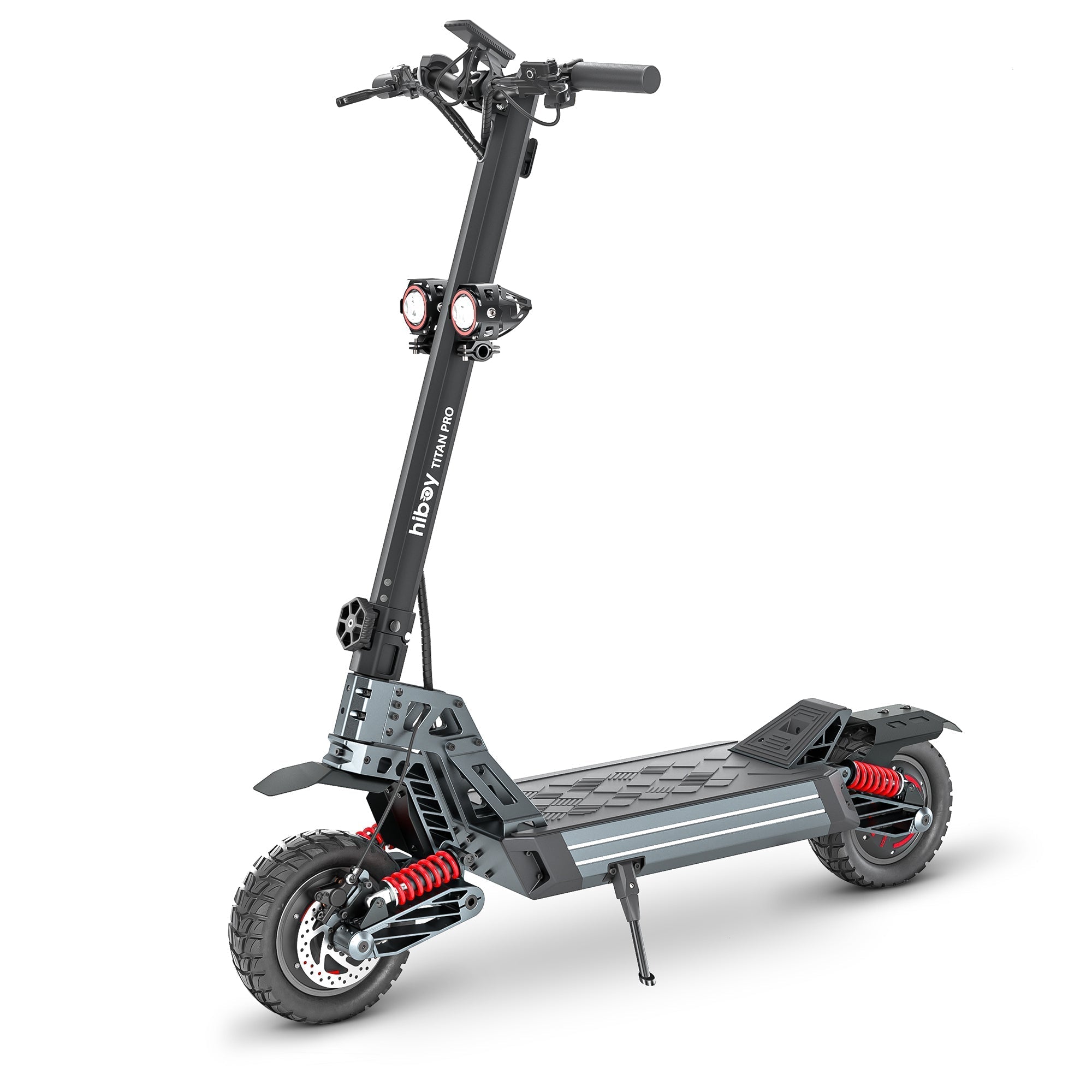
City riding combines vehicles, pedestrians, doors, junctions, poor surfaces, and limited visibility. A scooter’s compact size makes it convenient, but it can also make the rider harder to see and more vulnerable to sudden surface changes.
Know where riding is permitted
Rules differ by country, city, road, campus, and device classification. Confirm requirements for minimum age, helmets, speed, bike lanes, sidewalks, registration, insurance, lighting, and parking. A product’s maximum speed does not determine the legal speed for a particular location.
Complete a pre-ride check
- Confirm tire condition and pressure where applicable.
- Test mechanical and electronic brakes at low speed.
- Check the stem, folding latch, handlebar, wheels, and visible fasteners.
- Confirm that headlights, rear lights, and brake lights work.
- Check remaining battery against the planned route with a reserve.
Use a stable riding position
Keep both hands on the handlebar, knees slightly bent, and feet positioned for balance. Look ahead rather than directly in front of the wheel. Avoid carrying objects that interfere with steering or braking.
A suitable helmet is essential. Visible clothing, reflective details, gloves, and eye protection can add protection and make the rider easier to detect.
Control speed before hazards
Reduce speed before intersections, driveways, blind corners, crowds, wet areas, railway tracks, metal covers, loose gravel, and broken pavement. Braking or turning sharply on a low-grip surface can cause a slide.
Leave more stopping distance in rain, darkness, cold conditions, downhill sections, or when carrying extra weight. Apply brakes progressively and keep the scooter upright when strong braking is required.
Ride defensively around vehicles
- Do not remain beside a turning vehicle or in its blind spot.
- Watch front wheels and driver behavior for signs of movement.
- Keep distance from parked cars to reduce door-opening risk.
- Signal intentions early where safe and legally required.
- Assume a driver may not have seen you, even when you have priority.
Intersections demand extra attention
Scan left, right, and behind as appropriate. Avoid entering at a speed that prevents stopping. Be cautious of vehicles turning across a bike lane and pedestrians stepping into the route while looking elsewhere.
Do not ride distracted or impaired
Do not hold a phone, wear audio equipment that blocks important traffic sounds, or ride after alcohol, recreational drugs, or medication that impairs control. Use a secure mount only when lawful and do not interact with the screen while moving.
Weather and darkness
Water resistance does not eliminate reduced traction, visibility, electrical risk, or hidden potholes. Avoid deep water and do not charge a wet scooter. At night, use functioning lights and reduce speed enough to stop within the visible distance.
New riders should practice starting, turning, braking, and emergency stopping in a controlled area before entering traffic. Review the user manual and troubleshooting guides for the exact model.
Teilen:
How to Extend Electric Scooter Battery Life
Electric Scooters for Kids: Age and Safety Guide