
The battery is one of the most valuable components in an electric scooter. Its useful life is influenced by temperature, charging equipment, depth of discharge, storage level, rider demand, and physical condition.
No routine can stop normal aging, but consistent habits can reduce avoidable stress and help the battery deliver more predictable range.
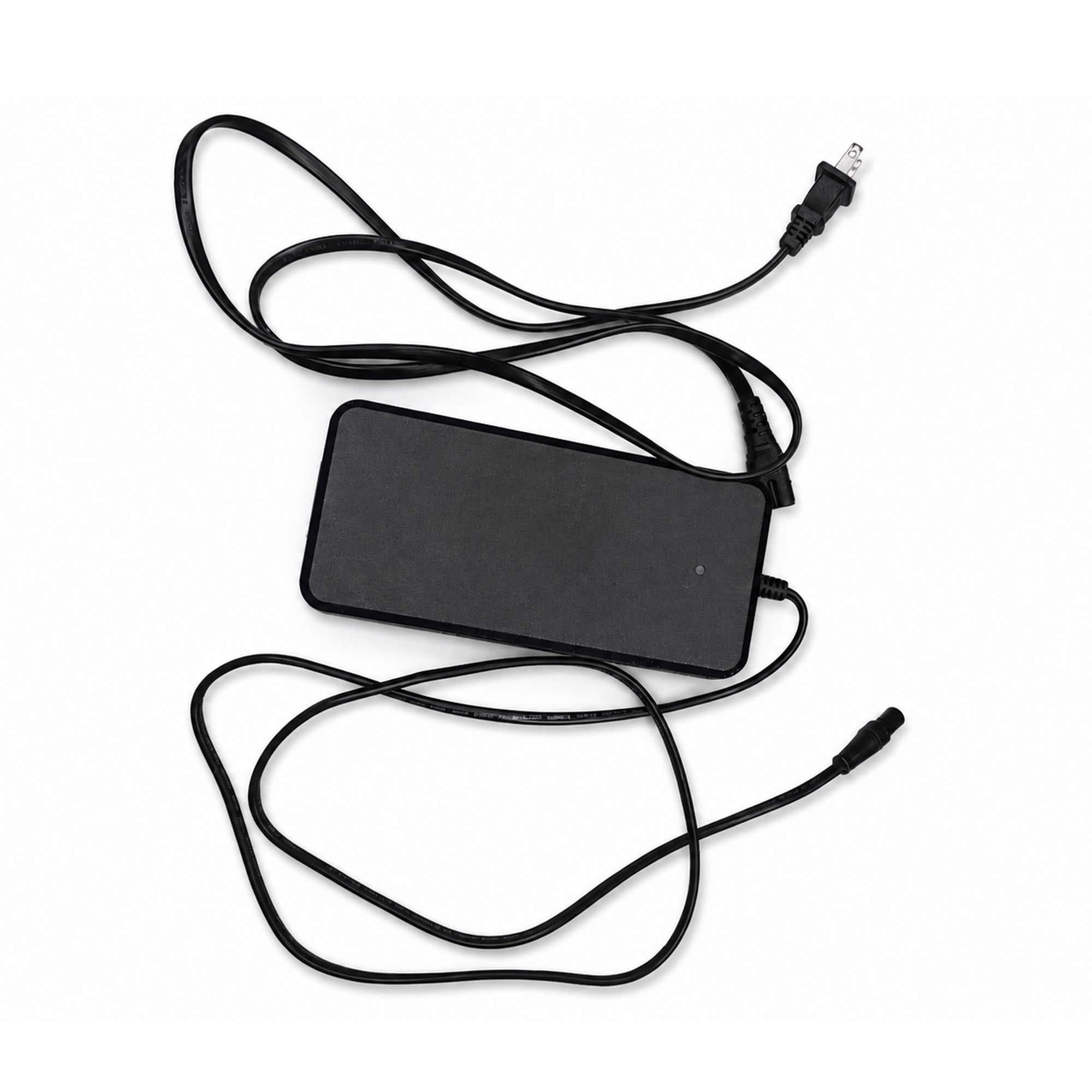
Use only the correct charger
A connector that physically fits does not prove compatibility. Voltage, current, polarity, charging profile, and battery-management communication must match. Use the original charger or a replacement explicitly approved for the exact model and battery revision.
Do not use a charger with a damaged cable, loose connector, unusual odor, visible heat damage, or water exposure.
Charge in a suitable location
- Charge on a stable, dry, non-combustible surface.
- Keep the device and charger away from beds, sofas, paper, curtains, and exits.
- Remain present and follow the manual’s charging-time guidance.
- Allow a battery that is very hot or cold to reach an appropriate temperature before charging.
- Do not charge a swollen, leaking, smoking, punctured, crushed, wet, or unusually hot battery.
Avoid repeated deep discharge
Frequently running the battery until the scooter shuts down can place more stress on lithium-ion cells than moderate use and regular charging. Plan routes with a reserve rather than treating the advertised maximum range as a target.
At the same time, do not repeatedly reconnect a fully charged battery merely to keep the display at 100%. Follow the product’s charging guidance and disconnect when charging is complete.
Manage temperature
Extreme heat accelerates battery aging and can create safety risks. Do not leave the scooter in a closed hot vehicle or direct sun for extended periods. Cold conditions temporarily reduce available range and power; do not assume the lost range is permanent.
Store the scooter within the temperature range stated in the manual. Keep it dry and away from heaters, freezing conditions, and large temperature swings that can cause condensation.
Reduce unnecessary energy demand
Correct tire pressure, smooth acceleration, moderate speed, reduced cargo, and a well-maintained drivetrain lower energy consumption. Steep hills, high speed, stop-start riding, low pressure, headwinds, and heavy loads can reduce range significantly.
Long-term storage
Do not store a lithium battery completely empty or continuously connected to the charger. Follow the model-specific storage charge and inspection interval in the manual. Check the scooter periodically for damage, moisture, unusual odor, swelling, or severe charge loss.
Signs that require immediate attention
- Swelling or case distortion.
- Smoke, hissing, leaking, or a strong chemical smell.
- Unusual heat while idle, charging, or riding.
- Sudden severe range loss accompanied by other abnormal behavior.
- Damage after a crash, puncture, or water exposure.
Stop using and charging the product when these signs appear. Move away from combustible materials only when it is safe to do so and contact emergency services for an active fire risk.
Browse model-specific batteries and chargers and always confirm compatibility before ordering.
Teilen:
Electric Scooter Tire, Brake and Suspension Maintenance
How to Ride an Electric Scooter Safely in City Traffic