
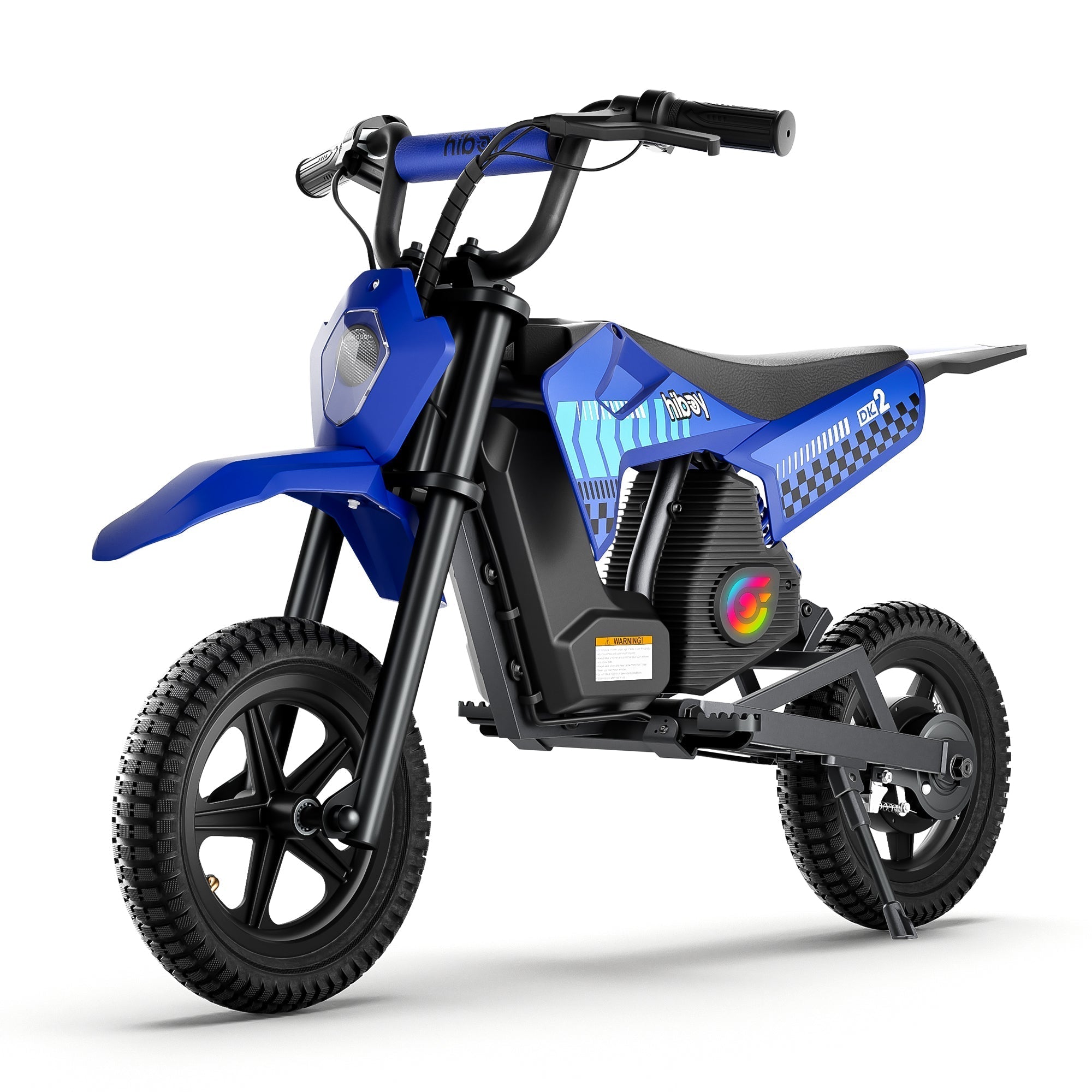
A child’s readiness for an electric scooter cannot be decided by age alone. Balance, coordination, judgment, ability to follow rules, physical fit, supervision, and the riding environment all matter.
Always follow the exact manufacturer age, height, and weight limits. Local laws or property rules may impose stricter limits.
Start with a child-specific model
An adult scooter can accelerate too strongly, travel too fast, weigh too much, and place controls outside a child’s comfortable reach. A children’s model should have age-appropriate speed, simple controls, a suitable deck and handlebar position, and braking that the child can operate reliably.
The store’s current kids range includes products aimed at different stages. For example, the ES1 listing is intended for ages 4–10 and includes a rear fender brake and motion-sensing start. The Q2 Lite and U2 Lite are described for ages 5–8 and use low-speed modes and child-oriented controls. Parents must verify the current product page and manual before purchase.
Readiness checklist
- The child can balance, turn, stop, and follow instructions consistently.
- Both hands can remain on the grips while the brake is reached comfortably.
- The child can place feet securely on the deck or intended supports.
- The scooter is within the stated rider-weight range.
- An adult can supervise in the selected area.
- The child understands that roads, traffic, steep hills, ramps, and wet surfaces are off limits unless expressly appropriate and lawful.
Protective equipment
Use a correctly fitted helmet designed for the activity and required by local rules. Knee pads, elbow pads, wrist protection, closed shoes, gloves, and visible clothing can reduce injury. Loose clothing, scarves, and dangling straps should be secured away from wheels and moving parts.
Choose the practice area carefully
Begin on a flat, dry, open surface away from vehicles, driveways, stairs, pools, crowds, animals, and steep slopes. Mark a simple course and teach the child to start smoothly, look ahead, turn gradually, and stop at a chosen line.
Do not begin with maximum speed. Use the lowest available mode until starting and braking are consistent.
Supervision and boundaries
- Set a defined riding area and time limit.
- Do not allow passengers or towing.
- Keep both hands on the handlebar.
- Do not use a phone or headphones while riding.
- Stop riding when visibility, weather, battery behavior, or scooter condition becomes unsafe.
Charging is an adult task
An adult should inspect and charge the scooter using the specified charger in a dry, suitable location. Children should not connect damaged cables, handle a hot charger, open the battery area, or charge the device without supervision.
Inspect after falls
After any crash, check the handlebar, stem, wheels, brakes, deck, battery enclosure, charger port, and controls. Stop using the scooter if there is cracking, looseness, unusual heat, swelling, exposed wiring, or unpredictable braking.
Browse Kids Rides and review each model’s current manual, age range, rider limit, and safety instructions.
Teilen:
How to Ride an Electric Scooter Safely in City Traffic
Are Electric Bike Chargers Universal?