
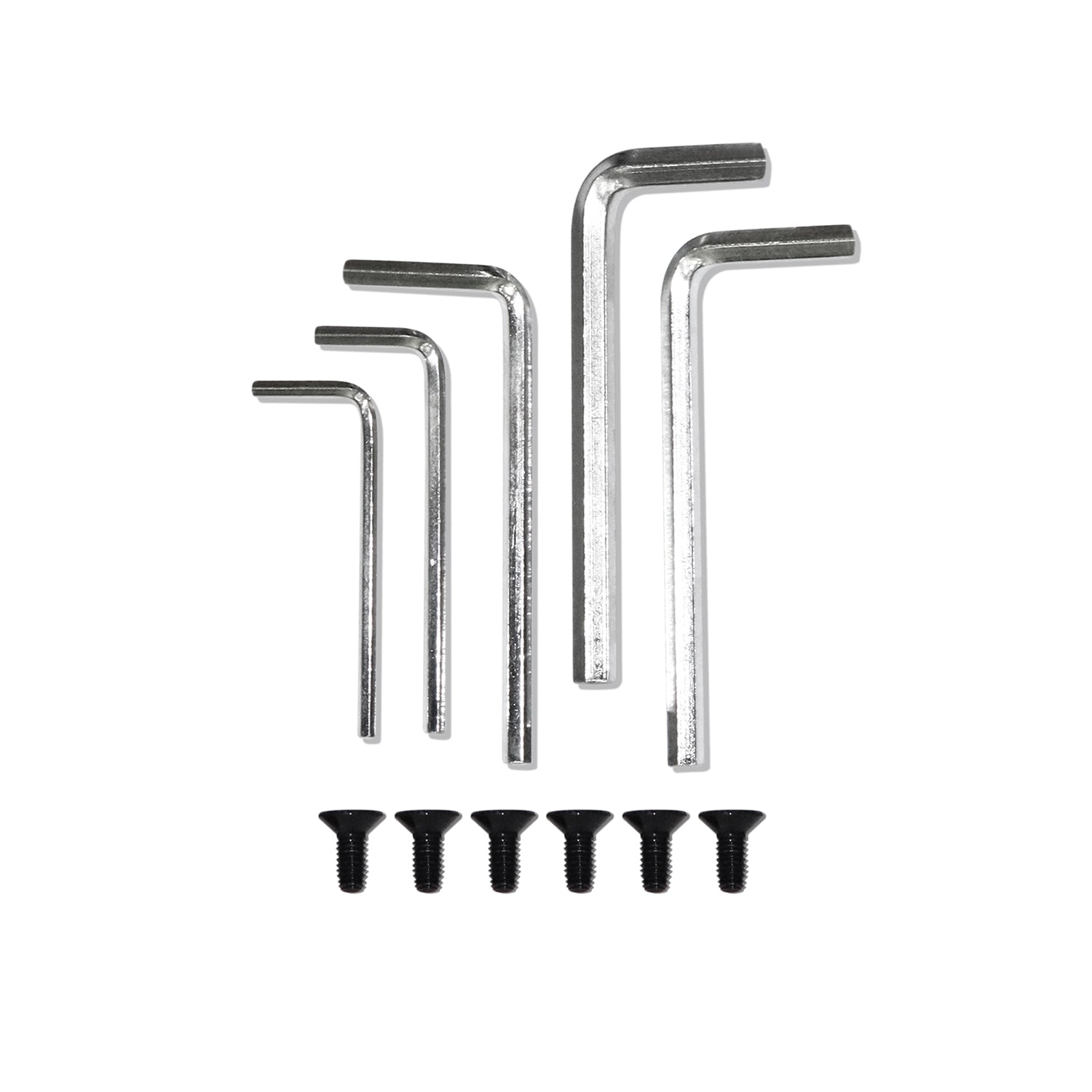
Tires, brakes, and suspension determine how effectively an electric scooter grips, turns, stops, and absorbs rough surfaces. Small problems in these systems can become serious when speed, rain, hills, or traffic are added.
Use the following routine alongside the instructions for the exact model. Do not ride when a safety-critical part is loose, damaged, leaking, badly worn, or operating unpredictably.
Before every ride
- Check both tires for cuts, bulges, exposed material, embedded objects, or obvious pressure loss.
- Squeeze each brake control and confirm firm, predictable resistance.
- Push the scooter forward and test stopping at walking speed.
- Rock the handlebar, stem, and wheels gently to detect looseness.
- Compress the suspension and listen for grinding, binding, or repeated knocking.
Pneumatic, self-healing, and solid tires
Pneumatic tires generally provide more comfort and grip, but they require correct pressure. Underinflation increases rolling resistance, heat, rim impact risk, and battery consumption. Overinflation can reduce comfort and available traction. Use the pressure stated in the manual or on the tire.
Self-healing tires can seal some small tread punctures, but they cannot repair large cuts, sidewall damage, bent rims, or every leak. Solid and honeycomb tires avoid ordinary air-pressure maintenance, yet they still wear, crack, deform, or loosen from the wheel.
Brake maintenance
Electric scooters may use disc, drum, electronic, regenerative, or combined braking systems. Mechanical brakes need periodic inspection for pad or shoe wear, cable condition, rotor alignment, contamination, and correct adjustment. Hydraulic systems should be checked for leaks and a spongy lever feel.
Electronic braking supports control but should not be treated as the only stopping system unless the manufacturer specifically designed it that way. Battery condition, speed, traction, and system faults can affect electronic braking behavior.
Warning signs
- Longer stopping distance.
- Lever reaching the grip or feeling unusually soft.
- Grinding, scraping, strong vibration, or pulling to one side.
- Visible fluid, damaged cables, loose calipers, or a bent rotor.
- Braking that cuts in and out.
Suspension checks
Inspect suspension fasteners, pivots, springs, and exposed moving surfaces. A small amount of operating sound may be normal for a particular design, but new knocking, looseness, leakage, uneven movement, or failure to return should be investigated.
Do not apply random lubricants to brake surfaces, tires, or sealed suspension components. Oil contamination can severely reduce braking.
Cleaning
Switch the scooter off, disconnect charging, and use a damp cloth or soft brush. Do not pressure-wash electrical components, bearings, brakes, or battery areas. Dry the scooter before storage or charging.
When to seek service
Arrange qualified service after a crash, wheel impact, water exposure, repeated fastener loosening, structural damage, brake-fluid leak, stem movement, or any fault you cannot verify safely.
Find compatible items in E-Scooter Accessories, consult repair instructions, or use the troubleshooting guides.
Teilen:
UL 2272 Explained: What Electric Scooter Buyers Should Check
UL 2272 Explained: What Electric Scooter Buyers Should Check