
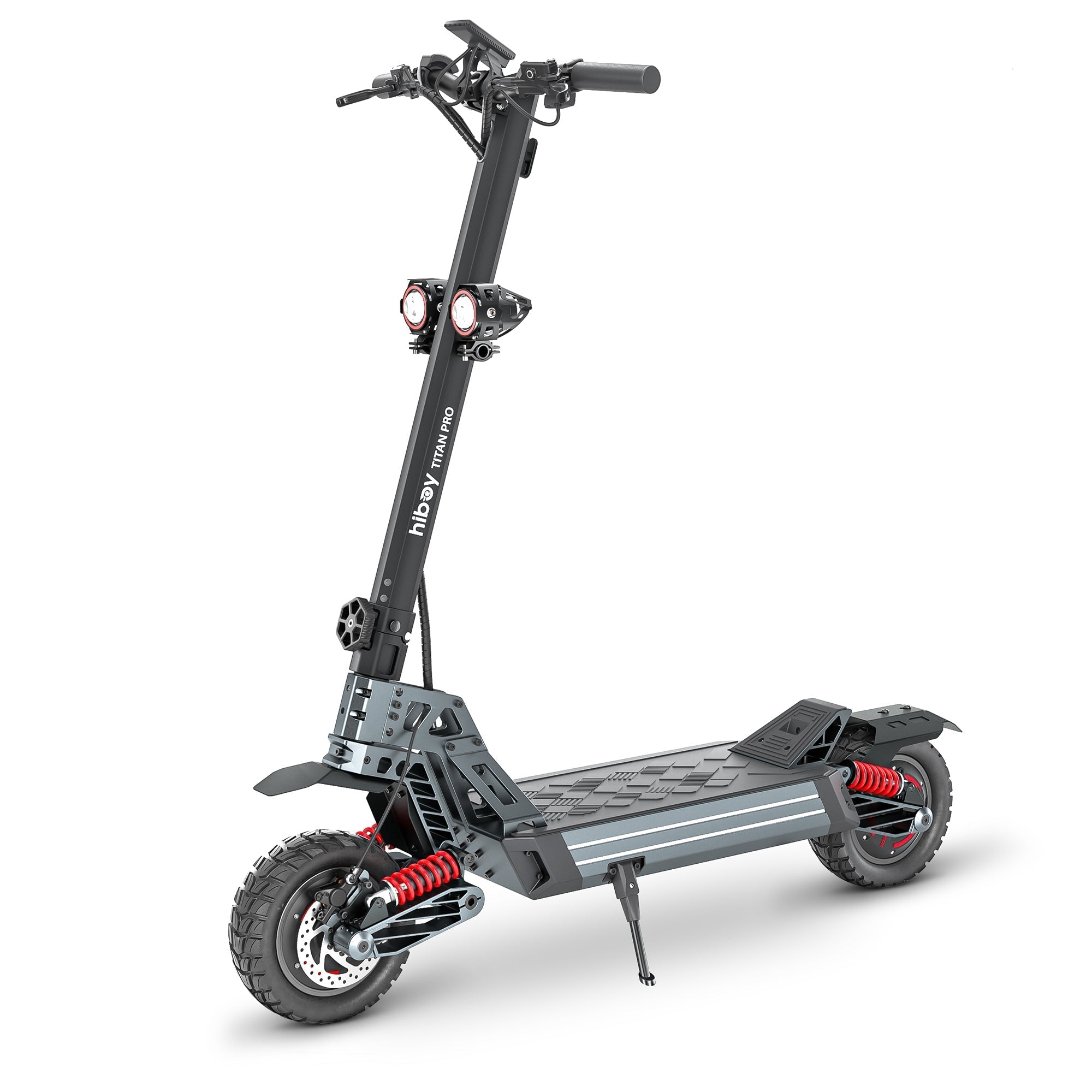
UL 2272 is one of the most important terms a buyer may see while comparing electric scooters. It is also frequently misunderstood. The standard concerns the electrical system of a personal e-mobility device; it is not a general award for speed, range, comfort, road legality, or every possible riding hazard.
What UL 2272 addresses
UL 2272 is the standard used to evaluate electrical systems in personal e-mobility devices such as electric scooters. Certification work examines the system as a whole, including how relevant electrical components respond to specified electrical, mechanical, and environmental tests.
The purpose is to reduce risks associated with electrical shock, fire, and related electrical-system failures. Certification is meaningful because it involves testing and ongoing requirements from a recognized certification organization rather than a manufacturer simply declaring that a product is safe.
Related standards are different
- UL 2272: electrical systems for personal e-mobility devices such as e-scooters.
- UL 2849: electrical systems for e-bikes.
- UL 2271: batteries used in light electric vehicle applications.
A product may reference more than one standard, depending on the device and battery. Buyers should read the exact claim rather than assuming that one certification automatically covers every component or use case.
What certification does not mean
UL 2272 does not mean a scooter cannot be damaged, misused, recalled, modified, submerged, charged with an incompatible charger, or involved in a crash. It also does not establish whether the scooter is legal on a particular road or whether its maximum speed is appropriate for a rider.
Safe ownership still requires correct charging, inspections, compliance with the manual, suitable storage, and immediate action when a battery shows swelling, smoke, unusual heat, odor, leakage, impact damage, or water exposure.
How to verify a claim
- Read the current product page and manual for the exact model and revision.
- Look for a clear statement identifying the standard and whether the complete product or a component is certified.
- Be cautious with vague wording such as “built to UL standards” when no certification is identified.
- Check labels, model numbers, and certification records where available.
- Avoid products with altered labels, removed serial numbers, or unsupported certification logos.
Certification and charging safety
Certification does not make universal chargers safe. A battery needs the correct voltage, current, connector, polarity, charging protocol, and approved charger. Use the charger specified for the exact model, remain present while charging, keep exits clear, and do not charge a damaged or wet battery.
Buying checklist
- Confirmed model-specific certification claim.
- Original or explicitly compatible charger.
- Readable manual and safety instructions.
- Traceable seller, invoice, and serial number.
- Available replacement parts and support.
- Clear warranty, return, and battery-handling information.
Browse the electric scooter collection, review the warranty policy, and consult the manual library before charging or riding.
Teilen:
Electric Scooter Tire, Brake and Suspension Maintenance
Electric Scooter Tire, Brake and Suspension Maintenance